
By Jami S. Oliver
Quick answer: Filing a traumatic brain injury (TBI) claim in Ohio is harder than a typical injury claim because TBIs are often invisible on standard scans, symptoms can appear weeks after the accident, and insurers routinely dispute mild cases. Ohio gives victims two years from the date of injury to file suit, follows a 51% modified comparative negligence rule, and successful claims typically depend on neuropsychological testing, detailed symptom documentation, and expert medical testimony linking the injury to the accident
What Makes TBI Claims Harder to Prove Than Other Injuries?
TBI claims are harder to prove because brain damage frequently doesn’t show up on standard imaging like an MRI or CT scan, even when a victim has real memory loss, mood changes, or cognitive decline. Because just about everyone, not just insurance adjusters and juries tend to trust visible, tangible evidence, a normal-looking scan can create skepticism about a genuine injury. Overcoming this gap generally requires expert medical testimony and thorough documentation of behavioral and cognitive changes over time.
What’s the Difference Between a Mild and Severe TBI Claim?
Severe TBI claims (skull fracture, prolonged loss of consciousness, need for round-the-clock care) usually aren’t disputed on whether an injury exists. The fight is over the compensation amount.
Mild TBI claims are far more likely to be contested. Insurers often argue a mild concussion should resolve within weeks and that any lingering symptoms are exaggerated or unrelated to the accident, even though “mild” TBIs can still be highly disruptive to daily life.
Why Do TBI Symptoms Sometimes Appear Weeks Later (and What Does That Mean Legally?)
Brain trauma doesn’t always announce itself immediately. Adrenaline can mask pain, and swelling in the brain may take days or weeks to fully develop. This matters legally in two ways:
- If you delay reporting symptoms, insurers may argue the delay proves the injury happened after the accident, not because of it.
- If your TBI isn’t diagnosed until weeks or months later, your legal right to file a claim is still intact, but your burden of proof increases. You’ll need a legal and medical team that can “bridge the gap” and connect the late diagnosis back to the original accident.
What Evidence Do You Need to Support an Ohio TBI Claim?
A strong Ohio TBI claim typically includes:
- A symptom journal: daily notes on headaches, light sensitivity, memory lapses, or emotional outbursts.
- “Before and after” witness statements: written observations from coworkers, friends, and family describing changes in personality, work ethic, or cognitive ability since the accident.
- Consistent medical treatment: attending every follow-up appointment and following the prescribed treatment plan; gaps in care are a red flag to insurers.
- Neuropsychological evaluation results: standardized testing of memory, concentration, problem-solving, and emotional regulation that produces objective, quantifiable data, even when brain scans appear normal.
What Is the Deadline to File a TBI Lawsuit in Ohio?
Ohio’s statute of limitations for a TBI lawsuit is two years from the date of the injury. Missing this deadline generally means permanently losing the right to seek compensation, so starting the legal process early, even before the full long-term prognosis is known, protects the claim.
How Does Fault Affect Compensation in Ohio?
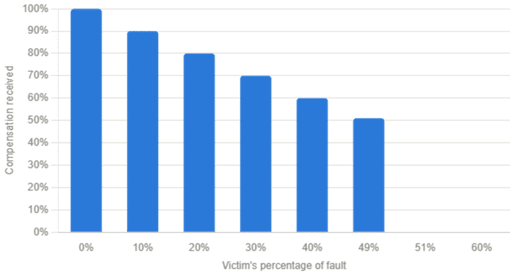
Ohio uses a modified comparative negligence rule, sometimes called the “51% rule”:
- You can recover compensation as long as you are 50% or less at fault for the accident.
- Your compensation is reduced by your percentage of fault. For example, a victim found 20% at fault would see their settlement reduced by 20%.
- A victim found 51% or more at fault cannot recover any compensation.
To recover damages at all, you must also establish liability: that another party owed you a duty of care, breached that duty, and directly caused your injury.
What Tactics Do Insurance Companies Use to Deny TBI Claims?
Common insurance company defenses against TBI claims include:
- Malingering: claiming the victim is faking or exaggerating symptoms for financial gain.
- Pre-existing conditions: attributing cognitive issues or headaches to prior accidents, aging, or unrelated mental health conditions.
- Failure to mitigate: arguing the victim’s condition worsened because they didn’t follow medical advice.
What Happens If a TBI Occurs at Work?
A workplace TBI is generally handled through Ohio Bureau of Workers’ Compensation benefits rather than a personal injury lawsuit. Key differences:
- Workers’ compensation is a no-fault system. You don’t need to prove employer negligence to receive benefits.
- It only covers medical bills and a portion of lost wages. It does not compensate for pain and suffering or diminished quality of life.
- The Bureau closely scrutinizes TBI claims, so legal guidance helps ensure the claim is properly classified and fully compensated.
What Factors Determine TBI Settlement Value in Ohio?
Settlement value in an Ohio TBI case is generally shaped by:
- Severity and permanence of the injury.
- Victim’s age and life expectancy.
- Lost wages and reduced future earning capacity.
- Impact on marriage and family relationships (loss of consortium).
- Physical pain and emotional anguish endured.
- Projected long-term care costs – future surgeries, therapy, mobility aids, home modifications, and possible in-home nursing or assisted living.
Because severe TBIs can require a lifetime of specialized care, an experienced legal team will often work with life care planners and economists to project these costs accurately, so a settlement doesn’t run out years into recovery.
Why Does Legal Representation Matter in a TBI Case?
TBI cases involve complex medical evidence, aggressive insurance defense tactics, and high financial stakes, which makes self-representation risky. An attorney with a network of medical experts and experience in Ohio brain injury law can:
- Handle all insurance company communications
- Gather neuropsychological and economic evidence
- Build a documented narrative connecting the accident to the full extent of the injury
Frequently Asked Questions
How long do I have to file a TBI claim in Ohio? Two years from the date of the injury.
Can I still recover compensation if I was partly at fault for the accident? Yes, as long as you were 50% or less at fault. Your compensation is reduced by your percentage of fault under Ohio’s modified comparative negligence rule.
Why would an insurance company deny a TBI claim with a normal brain scan? Because standard MRI or CT scans don’t always show TBI damage, insurers may argue there’s no visible proof of injury. Neuropsychological testing and documented behavioral changes are typically used to counter this.
What if my TBI symptoms didn’t appear until weeks after the accident? Your legal rights are still intact, but you’ll need stronger evidence linking the delayed diagnosis back to the original accident.
Does workers’ compensation cover pain and suffering for a workplace TBI? No. Ohio workers’ compensation covers medical bills and a portion of lost wages but not pain and suffering or reduced quality of life.
Disclaimer: The information provided in this blog post is for general informational purposes only and does not constitute legal advice. Reading this content does not create an attorney–client relationship between you and Oliver Law Office or its attorneys. Laws and regulations vary by jurisdiction, and you should consult a qualified attorney in your area for advice regarding your specific situation.
Jami S. Oliver, CEO & Founder of Oliver Law Office in Dublin, Ohio has been practicing injury law in Ohio since 1993 and has been recognized by her peers as a leading professional in the field of personal injury law. Her firm also handles cases related to trucking crashes, wrongful death, complex employment litigation, drug recalls, injuries from defective products and other serious injury matters. For a free personal injury or wrongful death case evaluation click here.