
By Jami S. Oliver
Quick answer: A traumatic brain injury (TBI) doesn’t just affect the survivor. It reshapes the entire family. Spouses often shift from partner to caregiver, parent-child roles can reverse, and uninjured siblings frequently feel overlooked. Families cope best by naming their grief (a concept called “ambiguous loss”), building external routines and support systems, seeking individual and family therapy, and addressing financial strain early with a case manager or attorney.
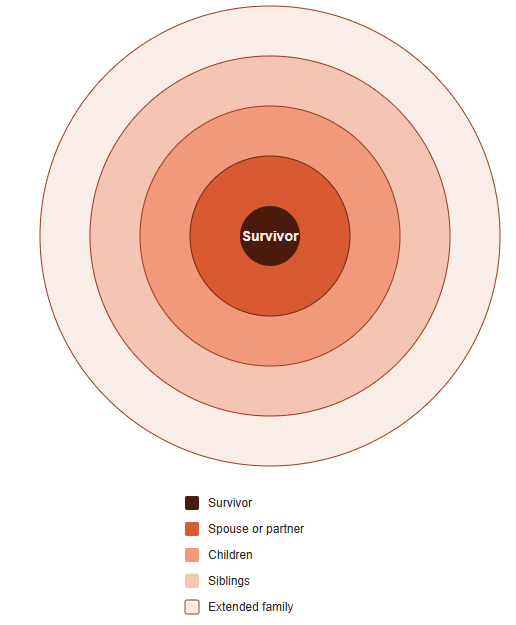
When a traumatic brain injury strikes, it’s often described as an earthquake. The epicenter is the survivor, but the tremors reach everyone who loves them. Understanding how a TBI affects marriages, parent-child relationships, and sibling dynamics is essential, not just for the survivor’s recovery, but for the health of the entire family system.
Unlike a broken bone, a TBI is an invisible injury. It can alter cognition, emotional regulation, physical ability, and personality all at once — which means the whole family structure often needs to recalibrate. This guide walks through what that looks like in practice, and what actually helps.
How Does a TBI Affect Family Dynamics Over Time?
In the acute phase, often spent in the ICU and rehab, families run on adrenaline, focused purely on survival. As months and years pass, that adrenaline fades, and families are left facing chronic neurobehavioral changes.
Over the long term, many families shift from balanced relationships into caregiving dynamics: spouses become nurses, children become young caretakers, and parents of adult children may find themselves parenting again. This shift can breed exhaustion, resentment, and real grief.
What Is “Ambiguous Loss” in TBI Families?
Ambiguous loss is a psychological concept, coined by researcher Dr. Pauline Boss, describing grief for someone who is physically present but psychologically changed or absent.
Family members often grieve deeply for the person the survivor used to be, even though that person is sitting right in front of them. Because there’s no funeral and no formal mourning ritual, this grief frequently goes unrecognized by the outside world. Naming it — acknowledging that it’s normal to grieve a partner’s former personality, a child’s pre-injury potential, or a parent’s previous role — is often the first real step toward healing.
How Does a TBI Affect a Marriage?
A marriage is built on shared responsibility, intimacy, and emotional reciprocity, all of which a severe TBI can disrupt almost overnight.
The Shift from Partner to Caregiver
A spouse may suddenly take over finances, child-rearing, home maintenance, and medical caregiving. This drastic role reversal often brings isolation — many spouses describe feeling like they’ve lost an equal partner and gained a dependent, which can lead to significant anxiety and depression.
Personality Changes and Marital Satisfaction
Brain trauma can alter personality directly. A once-patient partner may become quick-tempered, impulsive, or apathetic. Research consistently links these personality changes to marital satisfaction after a head injury. It takes real effort to separate the brain injury’s symptoms from the partner’s character.
Can a Marriage Survive a Traumatic Brain Injury?
Yes, but it usually requires redefining the marriage rather than trying to rebuild the old one. Marriages that make it through tend to do so because both partners commit to building something new together.
Practical strategies for spouses:
- Separate the injury from the person. When a hurtful comment comes from cognitive impulsivity, remind yourself: that’s the injury, not your partner.
- Set emotional boundaries. Being a caregiver doesn’t mean giving up your own emotional limits. Work with a therapist to set safe protocols if agitation becomes an issue.
- Redefine “success.” A calm afternoon or a shared laugh is a real victory on this new scale.
Rebuilding Intimacy After a Partner’s Brain Injury
Intimacy is often one of the first casualties of a TBI. The “patient and caregiver” dynamic works against romantic connection, and neurochemical changes can cause either a loss of libido or impulsive sexual behavior. Rebuilding intimacy takes patience and a broader definition of closeness:
- Start small: holding hands, sitting close, a gentle massage all count as intimacy.
- Communicate sensory needs: figure out what kind of touch feels good versus overwhelming.
- Schedule connection time: romance rarely happens spontaneously anymore, so plan for it, even if it’s just takeout and a board game at the kitchen table.
How Does a TBI Affect the Parent-Child Relationship?
A parent-child relationship is naturally hierarchical. Parents provide safety and structure. A TBI can threaten that structure whether it’s the parent or the child who was injured.
Parenting Challenges After Frontal Lobe Damage
The frontal lobe governs executive function like planning, emotional regulation, impulse control. When a parent’s TBI affects this region, their ability to parent consistently is often compromised: missed pickups, disorganized routines, or disproportionate anger over small mistakes. Since children rely on predictability for their sense of safety, this can be deeply unsettling.
The fix is usually external structure: whiteboards, shared digital calendars, and strict routines act as an “external frontal lobe,” helping the injured parent maintain their role safely and consistently.
How Do You Explain a Brain Injury to a Child?
Children notice changes even when adults try to shield them — and left unexplained, they’ll often fill in the blanks by blaming themselves. How you explain it should match their age:
- Ages 2–5: Keep it simple and concrete. “Daddy’s brain got a boo-boo, and just like your knee needs to rest when it’s scraped, his brain needs rest too. Sometimes that makes him tired or grumpy, but he still loves you.”
- Ages 6–11: A slightly more scientific comparison works well. “Mom’s brain is like a computer, and the injury scrambled some of the wires. Her doctors are helping fix them. Sometimes her computer freezes or glitches, which is why she forgets things.”
- Ages 12+: Teens can handle honest, transparent conversations about neuroplasticity and long-term prognosis, but shouldn’t be given adult caregiving responsibilities.
Where Can Children of Injured Parents Find Support?
Children need outlets beyond the already-stretched uninjured parent. Local brain injury associations (such as the Brain Injury Association of America) often run youth support groups, and children’s books, educational videos, and school counselors can all provide valuable third-party support.
How Does a TBI Affect Siblings?
When a child sustains a severe brain injury, parental focus understandably shifts almost entirely to that child, leaving uninjured siblings, sometimes called “glass children,” standing in the shadows.
Siblings often experience:
- Guilt – for being healthy, for wanting attention, or for feeling angry at their injured sibling.
- Resentment – over canceled plans, less money, and constant hospital visits
- Anxiety – a state of hyper-vigilance about their sibling’s health and their parents’ stress.
How to support siblings of a brain injury survivor:
- Protect one-on-one time. Even 15 minutes a day of undivided attention, with the injury off-limits unless they bring it up, makes a real difference.
- Validate negative emotions. Let them say “I hate this” or “I’m so mad at my brother” without correction or guilt. Just acknowledge it’s hard.
- Protect their childhood. Some help around the house is normal, but siblings shouldn’t be responsible for medical caregiving or miss their own activities.
How Do Families Cope with Caregiver Burnout?
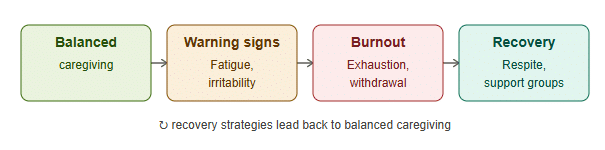
Caregiver burnout is physical, emotional, and mental exhaustion from prioritizing a loved one’s needs over your own. Warning signs include chronic fatigue, withdrawal from friends, appetite changes, and increased irritability. If the caregiver collapses, the whole family system does too.
Effective coping strategies include:
- Respite care. Use respite services, a trusted family member, or a home health aide so you can step away, even briefly.
- Micro-moments of self-care. Five minutes of deep breathing, a short walk, or a podcast during chores can genuinely help regulate stress.
- Support groups. Other TBI caregivers understand in a way most people can’t, Connecting with them reduces isolation.
Should a TBI Family Try Individual Counseling or Family Therapy?
Both serve different purposes. Individual counseling gives the caregiver, spouse, or sibling a private space to express anger, grief, or resentment they might feel guilty voicing in front of the survivor. Family therapy treats the family unit as the patient, helping improve communication and renegotiate household roles.
Cognitive behavioral therapy (CBT) is a particularly effective option for family members — it helps reframe unhelpful thoughts. For example, turning “He yelled at me because he doesn’t love me anymore” into “He yelled at me because his frontal lobe damage reduces impulse control. That’s a symptom of the injury, not a reflection of my worth.” CBT can meaningfully reduce anxiety and catastrophic thinking in family members.
How Do Families Manage Financial Stress After a TBI?
TBI recovery often brings a double hit: mounting medical bills and a sudden loss of income, especially if a spouse quits work to become a full-time caregiver.
Steps that help manage the financial impact:
- Consult a social worker or case manager before leaving the rehabilitation hospital. They can help navigate insurance, Medicaid, and state waivers for brain injuries.
- Apply for disability benefits early. SSDI applications can take months or years, so start as soon as it’s clear the survivor won’t return to work soon.
- Explore legal options. If the TBI resulted from someone else’s negligence, like a car crash or workplace accident, a personal injury attorney experienced in catastrophic brain injuries can help secure a settlement or trust to fund lifelong care.
- Rebudget honestly as a family. Downsizing vehicles or cutting discretionary spending may be necessary to fit the new reality.
What Does Home-Based Rehabilitation Look Like for Families?
Coming home from a medical facility can feel chaotic after the structure of a hospital. Weaving rehabilitation into daily family life, rather than isolating it as sterile “exercises”, helps survivors reintegrate:
- Cooking as occupational therapy – chopping vegetables or reading a recipe aloud builds fine motor skills and sequencing.
- Laundry as physical therapy – sorting and folding builds stamina, balance, and categorization skills.
- Board games as cognitive rehab – turn-taking, memory, and strategy in a low-stakes, engaging setting.
This approach helps the survivor feel like a contributing family member again, not just a patient.
How Can Extended Family Actually Help?
Extended family support matters, but it needs direction. Vague offers like “let us know if you need anything” rarely get used. Concrete offers work better: “I’m coming Tuesday at 6pm to mow the lawn,” or “I’m taking the kids to a movie Saturday so you can sleep.” The most helpful relatives educate themselves about brain injury, withhold judgment, and keep showing up long after the initial crisis passes.
Frequently Asked Questions
Can a marriage survive a traumatic brain injury? Yes. Marriages that survive typically do so by building a new relationship dynamic rather than trying to restore the exact relationship that existed before the injury.
What is ambiguous loss? Ambiguous loss is grief for someone who is physically present but psychologically changed, common among families of TBI survivors, since there’s no formal ritual to mark this kind of loss.
How do I explain a brain injury to my child? Match the explanation to their age: keep it simple and concrete for young children, use a computer analogy for school-age kids, and have honest, detailed conversations with teens.
What are signs of caregiver burnout? Chronic fatigue, withdrawal from friends, loss of interest in hobbies, appetite changes, and increased irritability are common warning signs.
Should our family see a therapist together or individually? Often both. Individual therapy gives each family member a private space to process difficult emotions, while family therapy helps the household renegotiate roles and communication as a unit.
Can we get compensation for a TBI caused by someone else’s negligence? Yes. If the injury resulted from an accident caused by another party’s negligence, a personal injury attorney experienced in catastrophic brain injury cases can help pursue a settlement to help fund long-term care.
Moving Forward: Resilience and Redefinition
A traumatic brain injury draws a line through a family’s history: life before, and life after. Grieving the “before” is valid and necessary. But over time, many families discover real resilience: spouses find deeper patience, children develop empathy beyond their years, and siblings learn what loyalty truly means.
Recovery is slow and non-linear, with setbacks and unexpected progress along the way. By educating yourselves, asking for help, embracing therapy, and communicating openly, your family can find a new normal — not identical to what came before, but strong, compassionate, and enduring.
Disclaimer: The information provided in this blog post is for general informational purposes only and does not constitute legal advice. Reading this content does not create an attorney–client relationship between you and Oliver Law Office or its attorneys. Laws and regulations vary by jurisdiction, and you should consult a qualified attorney in your area for advice regarding your specific situation.
Jami S. Oliver, CEO & Founder of Oliver Law Office in Dublin, Ohio has been practicing injury law in Ohio since 1993 and has been recognized by her peers as a leading professional in the field of personal injury law. Her firm also handles cases related to trucking crashes, wrongful death, complex employment litigation, drug recalls, injuries from defective products and other serious injury matters. For a free personal injury or wrongful death case evaluation click here.