By Jami S. Oliver
Quick answer: If you or a loved one suffered a traumatic brain injury (TBI) in Ohio due to someone else’s negligence, you generally have two years from the date of the injury to file a lawsuit. An experienced Ohio TBI attorney can help you pursue compensation for medical costs, lost wages, long-term care, and pain and suffering – typically on a no-upfront-cost, contingency-fee basis.
A head injury is one of the most terrifying, life-altering events a person or family can face. In a fraction of a second, a car accident, a serious fall, or a workplace incident can permanently change how a person thinks, feels, and functions. Navigating the medical, emotional, and financial aftermath is exhausting, which is why securing the right legal representation isn’t a luxury, it’s a necessity.
This guide breaks down everything Ohio TBI victims and families need to know: how claims work, what compensation looks like, the laws that govern your case, and how to choose the right attorney.
What Counts as a Traumatic Brain Injury (TBI) in Ohio?
A traumatic brain injury occurs when sudden trauma damages the brain. Not all head injuries are the same, and the legal strategy for your case depends heavily on severity and long-term prognosis.
Mild TBI and Concussions
Many people dismiss a concussion as a minor bump on the head, but post-concussion syndrome is a real and serious condition. It can cause chronic migraines, cognitive fog, light sensitivity, and mood swings that keep victims out of work for months. Suing for a concussion in Ohio is a legitimate and often necessary legal action when someone else’s negligence caused the injury.
Catastrophic Brain Injuries
A catastrophic TBI involves severe, permanent damage that affects a person’s ability to live independently, including prolonged comas, significant memory loss, paralysis, or the inability to perform basic daily tasks. Because lifetime care costs for these injuries are extremely high, they require an aggressive, detail-driven legal strategy.
Why You Need an Experienced Brain Injury Attorney (Not a General Practice Lawyer)
A general injury lawyer can typically manage a broken bone or soft-tissue claim, but brain injuries require knowledge of neurology and long-term prognosis.
An experienced Ohio brain injury attorney will:
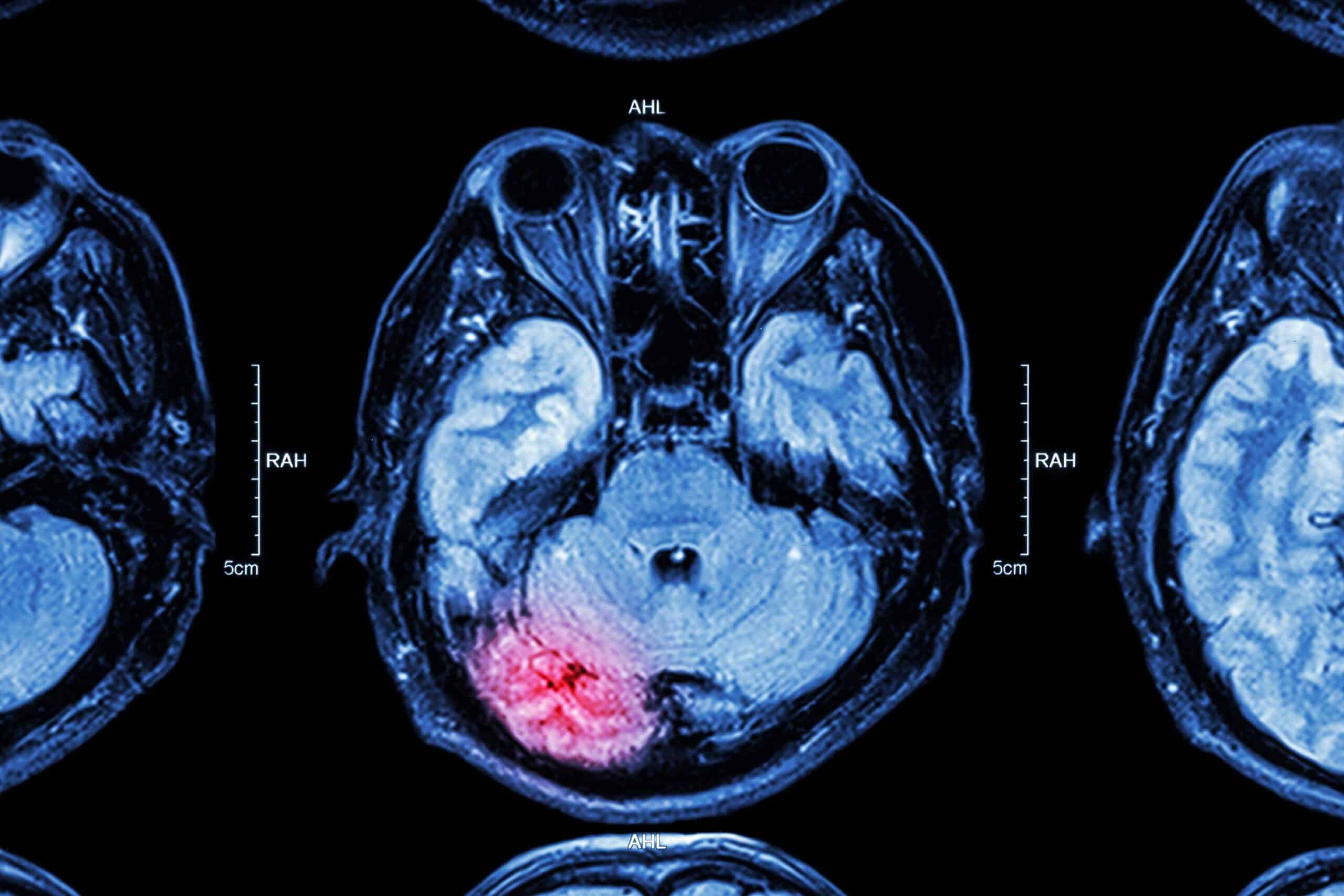
- Know how to interpret complex brain scans and medical terminology.
- Anticipate the tactics insurance companies use to minimize payouts.
- Recognize “invisible” TBI symptoms (like personality changes and executive dysfunction) that less experienced lawyers may miss.
- Handle communication with insurance adjusters so you can focus on recovery.
How Liability Is Proven in a Brain Injury Case
Winning compensation requires proving that another party’s negligence caused your injury. A strong case typically includes:
- Accident reconstruction: police reports, security footage, and witness statements establishing exactly how the injury occurred.
- Medical documentation: a clear record of symptoms starting from your first medical visit. Because TBI symptoms can appear later, keeping a daily journal of cognitive, physical, and emotional changes is strongly recommended.
- Expert witness testimony: neurologists and neuropsychologists who can explain, in court, how the trauma altered your brain’s structure and function.
How Much Is an Ohio Brain Injury Settlement Worth?
There’s no single “average” settlement. Outcomes range from tens of thousands of dollars for mild concussions to multi-million-dollar verdicts for permanent, catastrophic damage. Your case value depends on several factors:
Future Medical and Care Costs
Severe TBIs rarely resolve after a few weeks of treatment. Attorneys often work with life-care planners to project costs over the next 10, 20, or 50 years, including:
- In-home nursing care
- Physical and speech therapy
- Home modifications (ramps, accessible bathrooms)
- Specialized medical equipment
Lost Earning Capacity and Vocational Rehabilitation
If your injury prevents you from returning to your previous job, your claim can include funding for vocational rehabilitation – dedicated retraining that helps you re-enter the workforce in a role suited to your new cognitive or physical limitations.
Pain and Suffering
Ohio law places statutory caps on non-economic damages (pain and suffering), but these caps can often be lifted when an injury is legally classified as catastrophic or results in permanent physical deformity. An experienced attorney knows how to build the medical record needed to meet that threshold.
Key Ohio Laws That Affect Your TBI Case
What Is the Statute of Limitations for a TBI Claim in Ohio?
In most Ohio personal injury cases, you have two years from the date of the accident to file a lawsuit. Miss this deadline and you likely lose your right to compensation permanently. Exceptions exist, such as when the victim is a minor or the injury wasn’t immediately discoverable, but it’s critical to speak with an attorney as soon as possible.
How Does Comparative Negligence Work in Ohio?
Ohio follows a 51% comparative negligence rule: you can still recover damages as long as you’re found 50% or less at fault for the accident. However, your award is reduced by your percentage of fault. For example, if a jury awards $100,000 and you’re found 20% at fault, you’d recover $80,000. Insurance companies frequently try to shift blame to reduce payouts, which is where an experienced attorney becomes essential.
What If My TBI Happened at Work?
Workplace brain injuries are generally covered under Ohio workers’ compensation, a no-fault system that pays medical bills and a portion of lost wages without requiring proof of employer negligence. However, workers’ comp does not cover pain and suffering. If a third party, such as an equipment manufacturer or subcontractor contributed to your injury, your attorney can help you pursue a concurrent third-party lawsuit to maximize your total recovery.
How Much Does It Cost to Hire a TBI Attorney in Ohio?
Most reputable Ohio TBI attorneys work on contingency, meaning:
- No upfront, out-of-pocket costs.
- The firm covers the cost of investigation, expert witnesses, and litigation.
- You only pay attorney fees, usually a predetermined percentage, if your case results in a settlement or verdict.
- If you don’t recover compensation, you owe nothing in attorney fees.
This structure allows any injured person, regardless of financial situation, to access top-tier legal representation against well-funded insurance companies.
How to Choose the Right Brain Injury Attorney: Questions to Ask
Take advantage of free consultations and treat them as an interview. Ask prospective attorneys:
- How many TBI cases have you handled, and what were the outcomes?
- What neurological and medical experts do you regularly work with?
- How will you communicate with me throughout the case?
- Do you handle both the personal injury claim and any related workers’ comp or third-party claims?
Frequently Asked Questions
How long do I have to file a brain injury lawsuit in Ohio? In most cases, two years from the date of the injury, under Ohio’s statute of limitations for personal injury claims.
Can I still recover damages if I was partly at fault for my accident? Yes. Under Ohio’s comparative negligence rule, you can recover damages as long as you’re 50% or less at fault, though your award will be reduced by your percentage of fault.
Do I have to pay a brain injury attorney upfront? No. Most Ohio TBI attorneys work on contingency, meaning you pay nothing unless they win your case.
Is a concussion serious enough to warrant a lawsuit? Yes. Even “mild” TBIs like concussions can cause long-term issues such as chronic migraines, cognitive impairment, and mood changes, and may justify legal action if caused by someone else’s negligence.
What if my brain injury happened at work? You can typically file for workers’ compensation, and if a third party contributed to the injury, you may also be able to file a separate personal injury claim for additional compensation.
Moving Forward After a Traumatic Brain Injury
A traumatic brain injury upends every part of life – physically, emotionally, and financially. No one should have to navigate that recovery while also fighting a complex legal battle alone. By documenting your injury thoroughly, understanding your long-term financial needs, and partnering with an experienced Ohio TBI attorney, you can protect your family’s future and pursue the compensation needed for lasting recovery.
Disclaimer: The information provided in this blog post is for general informational purposes only and does not constitute legal advice. Reading this content does not create an attorney–client relationship between you and Oliver Law Office or its attorneys. Laws and regulations vary by jurisdiction, and you should consult a qualified attorney in your area for advice regarding your specific situation.
Jami S. Oliver, CEO & Founder of Oliver Law Office in Dublin, Ohio has been practicing injury law in Ohio since 1993 and has been recognized by her peers as a leading professional in the field of personal injury law. Her firm also handles cases related to trucking crashes, wrongful death, complex employment litigation, drug recalls, injuries from defective products and other serious injury matters. For a free personal injury or wrongful death case evaluation click here.