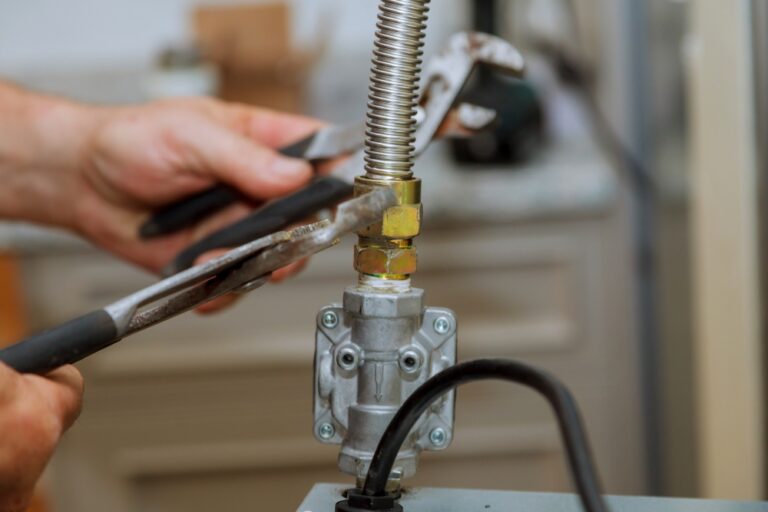
A gas leak and fire critically injured three residents at a Columbus apartment building. Learn what victims of premises liability incidents should do next.
On June 11, 2026 NBC4 reported that a gas leak cause a fire in an apartment building, sending three residents to the hospital in critical condition. Twenty-five additional residents were seeking temporary housing as their units were rendered unlivable by the blaze. Per NBC4’s reporting, the gas had been leaking from a resident’s appliance for weeks. The resident was unaware of the smell of natural gas.
Natural gas supplied to homes has a chemical odorant added to it that has a smell similar to rotten eggs. This odor is meant to tell homeowners that there is a leak before it becomes dangerous. However, there are situations in which a gas leak may go undetected. For example, gas escaping from an underground pipe can migrate through soil or soot, filtering out the chemical additive. As a result, some gas explosions have occurred even though homeowners never noticed a gas smell.
Homeowners are generally responsible for maintaining gas appliances and the portions of gas lines under their control, as well as ensuring that those systems are not damaged during construction, renovation, or digging projects. However, responsibility may also extend to contractors, utility companies, repair technicians, or other third parties whose negligent work contributed to a gas leak.
If a prior repair was performed improperly, or if a contractor damaged a gas line and failed to identify or repair the problem, that party may be legally responsible for resulting injuries or property damage. Because natural gas is highly combustible, even a small spark from a light switch, appliance, or electrical source can trigger a devastating explosion when gas has accumulated unnoticed.
For that reason, homeowners should know where their gas shutoff valve is located and take immediate action if they suspect a leak. When it comes to natural gas, early detection and prompt response can save lives.
When dealing with natural gas, follow these simple safety tips to help mitigate your risk and prevent accidents in and around your home:
Know how to identify a gas leak
- Listen – listen for a hissing, whistling or roaring sound, which can be the sound of gas escaping through a leak
- Look – look for blowing dust, bubbling water or dead vegetation if you’re outside
- Smell – smell for the distinct rotten egg smell that is added to natural gas to make leaks more detectable
If you think you have a leak:
- If you think there’s even a chance that you have a natural gas leak, don’t hesitate. According to Columbia Gas, you should leave the area immediately. Even the tiniest spark can cause a fire or explosion if you have a leak and you can be grievously injured.
- As soon as you are safely away from the potential leak, call 911 and then your Service Provider’s service line immediately.
- Do not smoke. This should be a no-brainer.
Before you have a leak:
- Hire professionals to do any work involving your gas line. Now is not the time for a DIY project.
- Call before you dig. If you’re doing heavy duty yard work call your local utility company and have any gas lines marked. They’ll come out and do it for free. Trust us, they want a gas leak as much as you do.
Bottom Line: Remember – natural gas has a distinct rotten egg odor. If you smell rotten eggs in or around your home, always err on the side of caution, get out and call 911. When it comes to natural gas leaks, it’s always better to be safe than sorry.
Disclaimer: The information provided in this blog post is for general informational purposes only and does not constitute legal advice. Reading this content does not create an attorney–client relationship between you and Oliver Law Office or its attorneys. Laws and regulations vary by jurisdiction, and you should consult a qualified attorney in your area for advice regarding your specific situation.
Jami S. Oliver, CEO & Founder of Oliver Law Office in Dublin, Ohio has been practicing injury law in Ohio since 1993 and has been recognized by her peers as a leading professional in the field of personal injury law. Her firm also handles cases related to trucking crashes, wrongful death, complex employment litigation, drug recalls, injuries from defective products and other serious injury matters. For a free personal injury or wrongful death case evaluation click HERE.